


Vaping is not as safe as it's marketed. Studies from 2024 link it to permanent lung damage, even in young users who have never smoked. If you use vaping or e-cigarettes, or are thinking of starting, this article provides a complete picture based on the latest scientific research, without exaggeration or downplaying the issue.
Introduction: The growing popularity of e-cigarettes
In recent years, vaping and e-cigarettes have become increasingly popular among young people in Saudi Arabia and the Gulf region. Many have started using them, believing them to be a safer alternative to traditional cigarettes. According to the World Health Organization, the number of vaping users worldwide reached over 82 million in 2023, an increase of more than 300% in just one decade.
However, accumulating scientific research paints a different picture: the health risks of vaping are real and documented, and some are irreversible. In this article, we will examine these risks section by section, with the latest available data up to 2026.
What is vaping and how does it work?
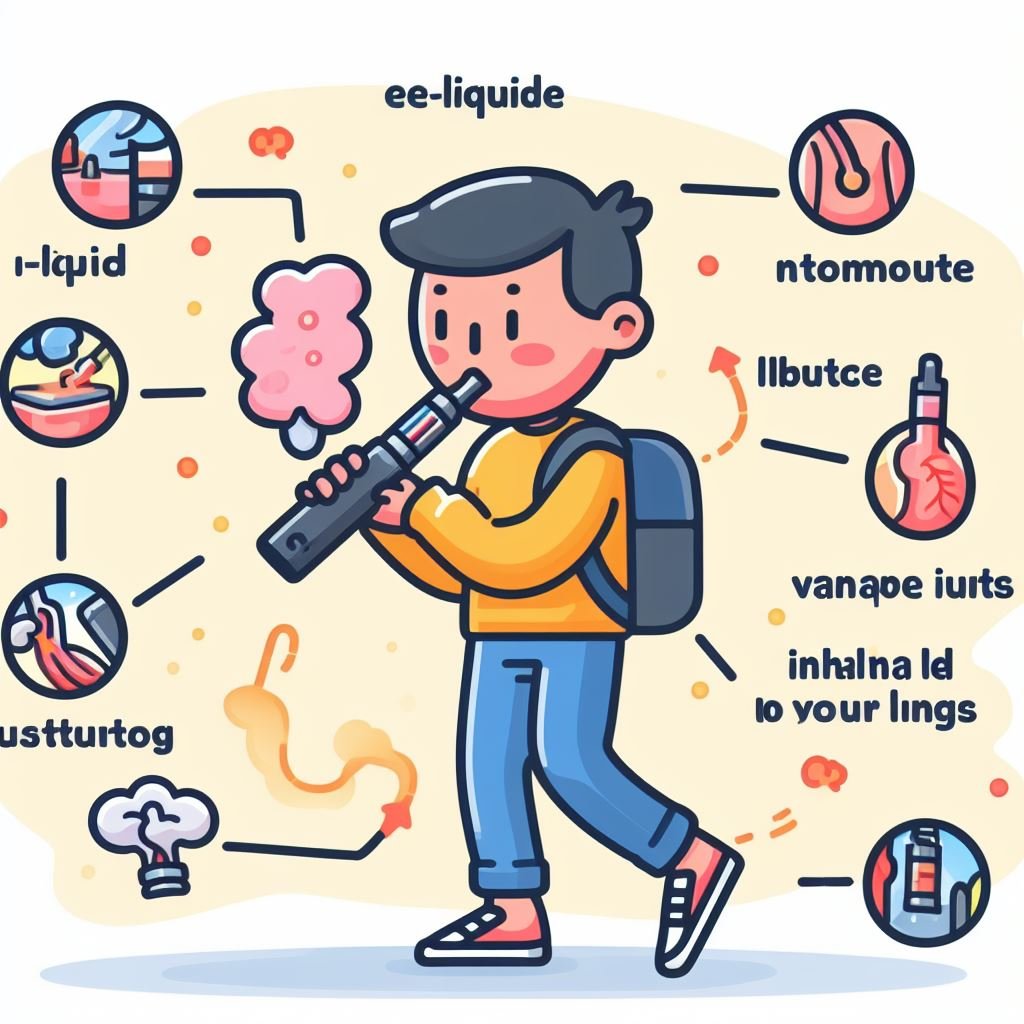
The vape or electronic hookah is a device that heats a liquid containing nicotine, flavors, and carriers such as propylene glycol and vegetable glycerin, then converts this liquid into an inhaled vapor.
Unlike traditional cigarettes, there is no combustion in the literal sense. But that doesn't mean the vapor is free of harmful substances. Vaping vapor contains:
- Formaldehyde: A documented carcinogen
- Acrolein: causes inflammation and damage to lung tissue.
- Fine particles: They penetrate deep into the lungs and remain there.
- Heavy metals: such as nickel and lead, are used in heating elements.
Why do people choose vaping?
Three main reasons cited by most users:
First: The belief in relative safety. Marketing focuses on the absence of smoke and tar, suggesting that it is "lighter" than cigarettes.
Second: The variety of flavors. Hundreds of flavors, from berry to tobacco, make the experience more appealing than cigarettes with a fixed taste.
Third: Social acceptance. The vapor dissipates quickly without a sticky smell, making its use in public places more socially "acceptable".
However, these reasons do not negate the documented health risks.
The main health risks of vaping and e-cigarettes
Lung damage
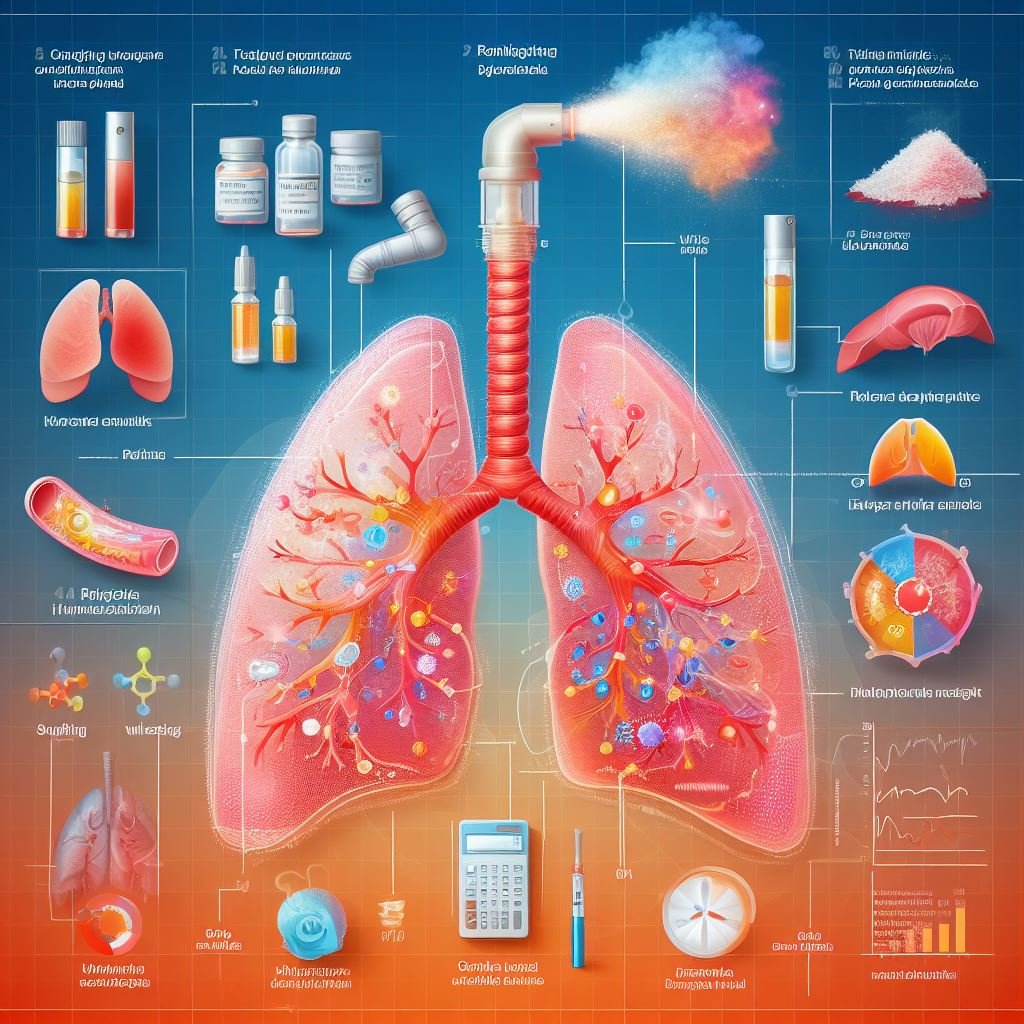
The lungs are the first and most affected organs. Recent scientific findings reveal:
- EVALI (vaping-related lung injury): The US CDC has recorded more than 2,800 hospitalizations and 68 documented deaths to date. Symptoms: cough, shortness of breath, chest pain.
- Bronchitis: Regular use is associated with a 42% increased likelihood of developing asthma, according to the Johns Hopkins 2023 study.
- Decreased lung function: Studies indicate a significant decline in respiratory capacity after one to two years of continuous use.
Cardiovascular damage
Nicotine constricts blood vessels and raises blood pressure and heart rate. Even a single day of vaping can affect the elasticity of blood vessels. Regular users face a higher risk of heart attacks compared to non-smokers.
Nicotine addiction
Nicotine reaches the brain within seconds and releases dopamine, creating feelings of pleasure and relaxation. Over time, the brain becomes addicted and requires increasing doses. Withdrawal symptoms include anxiety, headaches, difficulty concentrating, and increased appetite.
What is more worrying is that some vaping liquids contain higher levels of nicotine than traditional cigarettes, which accelerates addiction.
The impact of vaping on youth and adolescents
This is the most worrying section. According to the World Health Organization 2024:
- 13 million teenagers worldwide use vaping regularly.
- 34% of vaping users in the 15–24 age group had never smoked before.
- In some Gulf studies, the percentage of high school students who have tried vaping reached 28%.
The adolescent brain continues to develop until age 25. Nicotine at this stage affects:
- Focus and memory: A documented decline in academic performance
- Impulsivity: Weakness in decision-making control
- Dependence on other substances: Teenagers who vape are 4 times more likely to try traditional smoking later.
Long-term damage: What we don't yet know
The modern electronic cigarette has only become widespread in about 10 years. This means that its long-term effects are still being studied. What scientists are currently saying:
- Cancer: Some components of vaping liquids are classified as probable carcinogens. However, there is no conclusive evidence yet of cancers directly caused by vaping alone.
- Chronic lung diseases: Research suggests patterns similar to COPD in long-term users.
- Reproductive health: Preliminary studies link nicotine use to negative effects on fertility.
The current lack of conclusive evidence does not mean safety; it means that we do not yet know.
Device and battery risks
Aside from the chemicals, the devices themselves pose a risk:
- Battery explosions: Documented cases of severe burns to the face and hands caused by faulty lithium batteries
- Fluid leakage: Liquid may enter the mouth directly if the device malfunctions.
- Counterfeit products: Devices of unknown origin that do not meet any safety standards.
Practical advice: Always use devices from trusted brands with an original charger, and check the battery condition regularly.
Vaping in Saudi Arabia: Reality and Regulation
In Saudi Arabia, the authorities take vaping very seriously:
- The Saudi Food and Drug Authority (SFDA) classifies vaping products as tobacco products and subjects them to strict control.
- Importation: Importing vape products without an official license is prohibited.
- Selling to minors is prohibited by law, and violating this law exposes the seller to fines and closure of the establishment.
- Public places: Electronic smoking is subject to the same rules as the smoking ban in enclosed spaces.
The reality on the ground sometimes differs, but the organizational direction is clear: vaping is not a product without restrictions.
Vaping vs. traditional cigarettes: Which is more harmful?
traditional cigarettes
- It contains 7,000+ chemicals when burned.
- Direct smoke; lung damage has been documented for decades.
- Linked to 85% of lung cancers
- Rapid addiction due to nicotine
Vaping and electronic hookah
- Fewer chemicals, but still harmful
- Documented short-term lung damage (EVALI)
- Long-term damage is still not fully known
- Higher nicotine levels sometimes accelerate addiction.
In conclusion: Both are harmful. “Relatively less harmful” does not mean safe. The main difference is that the harms of cigarettes are historically documented, while the harms of vaping are still being discovered.
International regulations and laws
Many countries have rushed to legalize or restrict vaping:
- Australia: A prescription is required to obtain nicotine liquids.
- India: Complete ban on the sale, production and import of vape products
- European Union: Maximum nicotine limit 20 mg/ml and mandatory health warnings
- United States: The FDA reviews every product before allowing it to be sold.
This global regulatory tightening sends a clear message: even governments do not consider vaping safe.
Tips for quitting vaping
If you decide to quit, these practical steps will help:
- Set a start date: Setting a clear date increases the chances of success.
- Gradually reduce your nicotine intake: Go from a high to a low level over several weeks.
- Replace the habit: chew gum, exercise, or take deep breaths when desired.
- Avoid triggers: Identify situations that make you reach for the device and avoid them initially.
- Seek support: Telling friends and family increases personal responsibility.
- Consult your doctor: Some medications and therapies can help relieve withdrawal symptoms.
If you are looking for a less harmful alternative to vaping to help you gradually reduce your vaping, nicotine envelopes provide nicotine without inhaling any vapor.
Frequently asked questions about the dangers of vaping
Is vaping less harmful than cigarettes?
Vaping contains fewer harmful chemicals than cigarette smoke. But "less harmful" doesn't mean safe. Damage to the lungs and heart is scientifically documented, even among vapers.
Does e-cigarette cause cancer?
Current research cannot be definitive because widespread use is relatively recent. Some chemicals in vaping liquids are classified as probable carcinogens by the World Health Organization.
What are the specific harmful effects of vaping on the lungs?
Bronchitis, decreased respiratory capacity, and EVALI (fluid-associated lung injury) are the most commonly documented complications. Some cases have progressed to respiratory failure.
Can vaping be used to quit smoking?
Some studies suggest it may help with gradual reduction, but it is not officially licensed as a cessation treatment. Therapeutic medicine prefers proven alternatives such as nicotine patches and approved medications.
Does the steam harm those around you?
Studies indicate that secondhand smoke from vaping is less harmful than cigarettes, but it is not harmless. The fine particles in the vapor can reach the lungs of those nearby.
How long does it take to quit vaping?
It depends on the level of addiction and the amount of nicotine used. Many people successfully reduce their intake gradually over 4 to 8 weeks with a clear plan.
In conclusion: Make your decision with complete information.
The harms of vaping and e-cigarettes are real and scientifically documented, even if they are less harmful than traditional cigarettes in some aspects. Lung diseases, nicotine addiction, and the negative effects on young people are not exaggerations but rather the findings of research from recognized medical institutions.
If you're currently vaping, the decision to continue or quit is yours. But make it with a full understanding of the situation.
If you are looking for alternative options:
- Browse nicotine sachets , a non-inhalant alternative
- Check out the frequently asked questions about vape and e-cigarette products.
- Contact us if you have any questions
Last updated: April 2026 | Sources: World Health Organization, CDC, Johns Hopkins Medicine, Saudi Food and Drug Authority